We Cover All West Midlands
E-mail us: office@leakandheatheroes.co.uk
24 Hour Service - 7 Days a Week
Find It First. Fix It Right. No Unnecessary Damage.
A hidden leak in your Stratford-upon-Avon home silently causes thousands in damage — rotting timbers, growing damp, rising water bills — long before it shows itself. We find the exact source using professional equipment, without unnecessary damage to your property. Every survey includes a full written report for your insurer.
Hidden leaks are rarely obvious. By the time water visibly appears, significant damage is usually already done. These are the signs to watch for.
If pressure drops repeatedly — even after re-pressurising — there is almost certainly a leak somewhere in the central heating system. It will not resolve on its own.
Unexplained tide marks, yellowish staining or damp patches — particularly on ceilings or lower wall sections — often indicate water tracking from a concealed pipe or joint.
A gradual or sudden increase in your water bill with no change in usage is a classic indicator — some hidden leaks lose hundreds of litres a day completely unseen.
A warm patch on tiling or a soft, springy area under carpet strongly suggests a leak from an underfloor heating pipe or a buried supply pipe immediately beneath.
Mould that keeps returning despite treatment, or a persistent musty smell in a room with no obvious moisture source, often points to a slow leak feeding continuous dampness to a hidden area.
If you can hear water running when every tap and appliance is off, there is almost certainly an active leak somewhere in the system. Call us — don't wait for it to get worse.
Not sure if you have a leak? Call us on 07934 844 936 — describe what you're seeing and we'll advise you honestly, before you commit to anything. No charge, no pressure.
We don't charge for what we don't find. Here's exactly how every leak detection job works.
Call us and describe what you're experiencing — dropping boiler pressure, damp patches, rising bills, warm floors. We'll give you honest advice and a guide price range over the phone, for free, before you commit to anything.
We attend and carry out a thorough visual inspection of the property. If we locate the leak at this stage, we quote for the repair and can fix it the same day. If the leak requires specialist equipment to locate, we tell you exactly which method we'll use and the cost — before we start. You decide whether to proceed.
If we can't find the leak, you don't pay. Every method we use — thermal imaging, acoustic listening, moisture mapping or trace gas — is quoted upfront and only charged if we locate the source. We find the leak on 95% of first visits.
We attend any address in Stratford-upon-Avon with all five detection methods. Visual inspection first, specialist equipment only if needed, price agreed before we start.
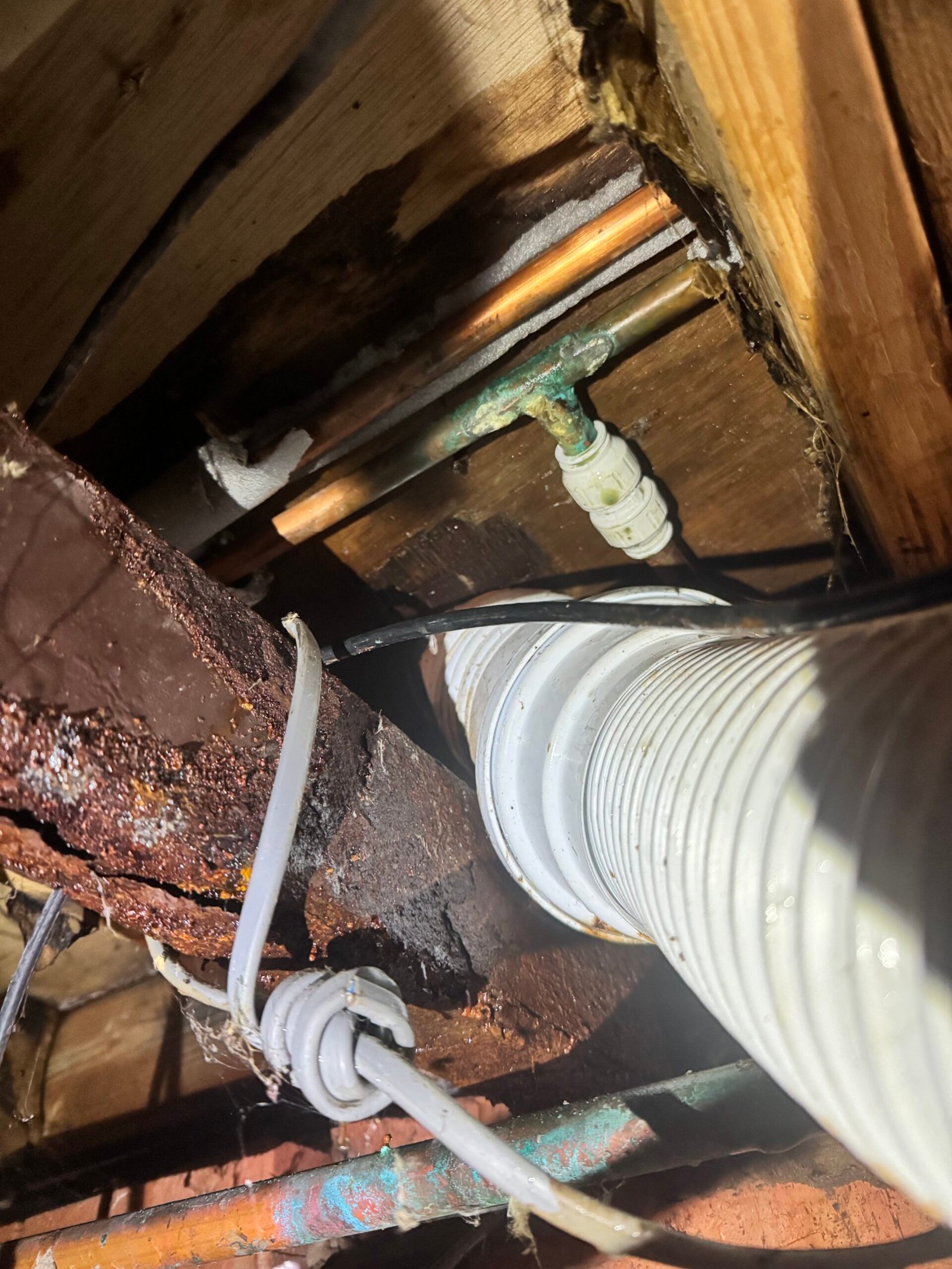
Where access is available through service voids, drainage runs or access panels, a high-resolution inspection camera provides direct visual confirmation of the leak source — a joint failure, pipe corrosion, a cracked fitting or root ingress.
Camera footage is recorded and included in the insurance report as direct visual evidence of the fault and its exact location. Every job starts with a visual assessment before any equipment is used.
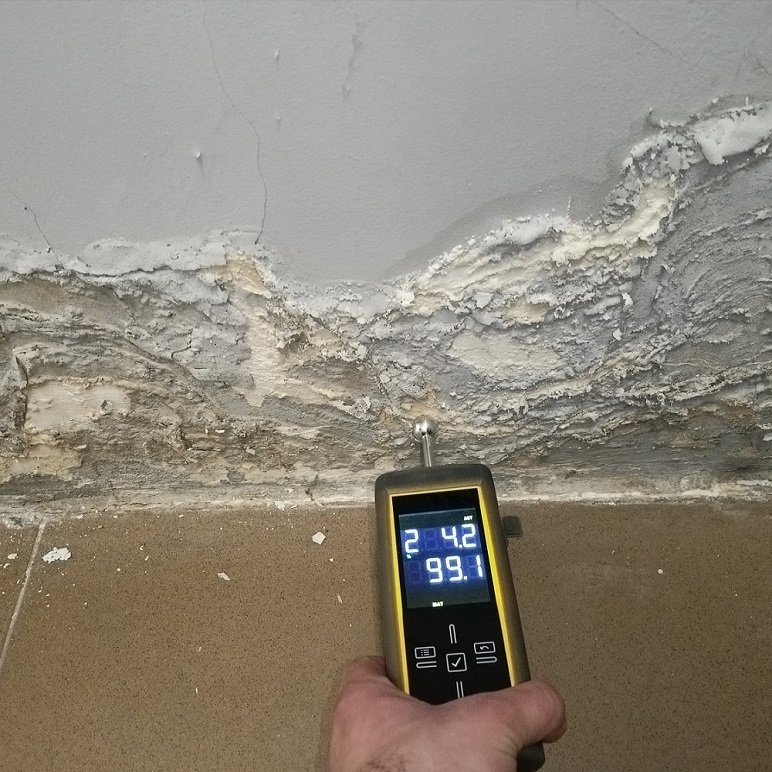
A calibrated moisture meter is used to survey affected walls, floors and ceilings, creating a moisture profile of the area. This maps the extent of water penetration and helps identify the direction the moisture is travelling from — pointing towards the source.
Moisture readings also provide objective, measurable evidence for insurance reports — accepted by all major UK insurers.
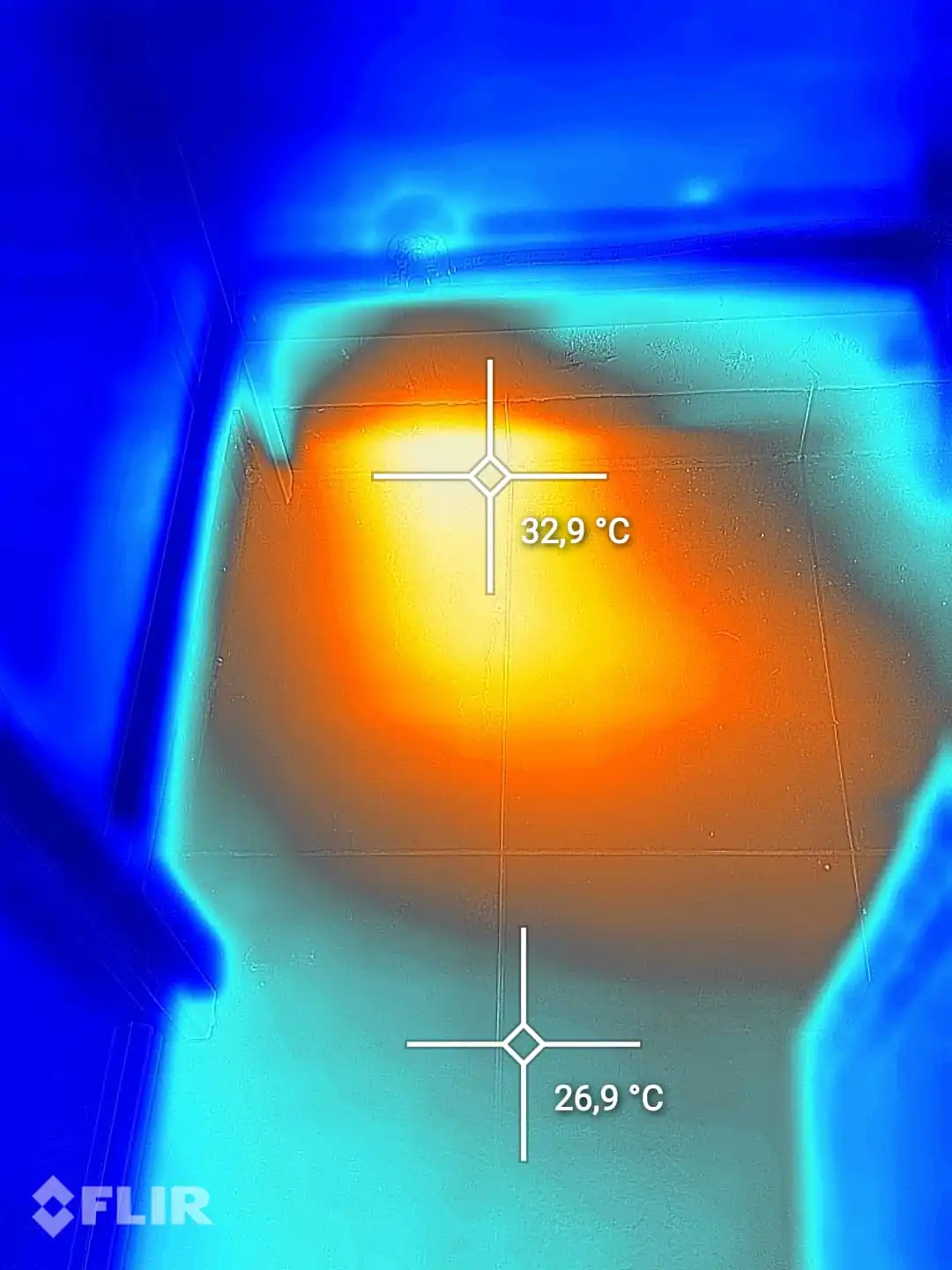
A professional thermal imaging camera detects minute temperature differences in walls, floors and ceilings. Water creates a distinctive thermal signature that is completely invisible to the naked eye — the camera makes it visible instantly.
Particularly effective for underfloor heating leaks and concealed pipework behind plasterboard.
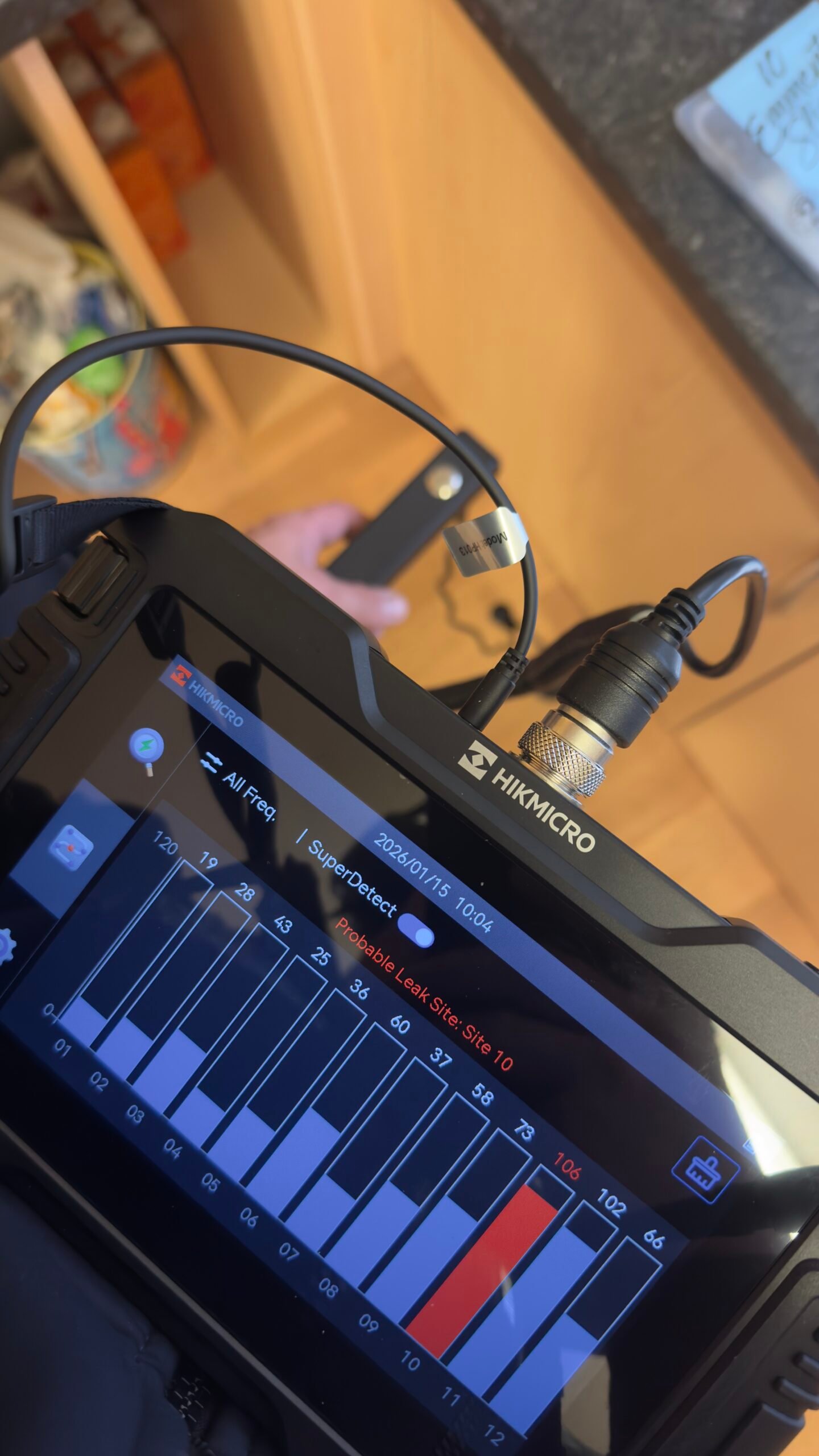
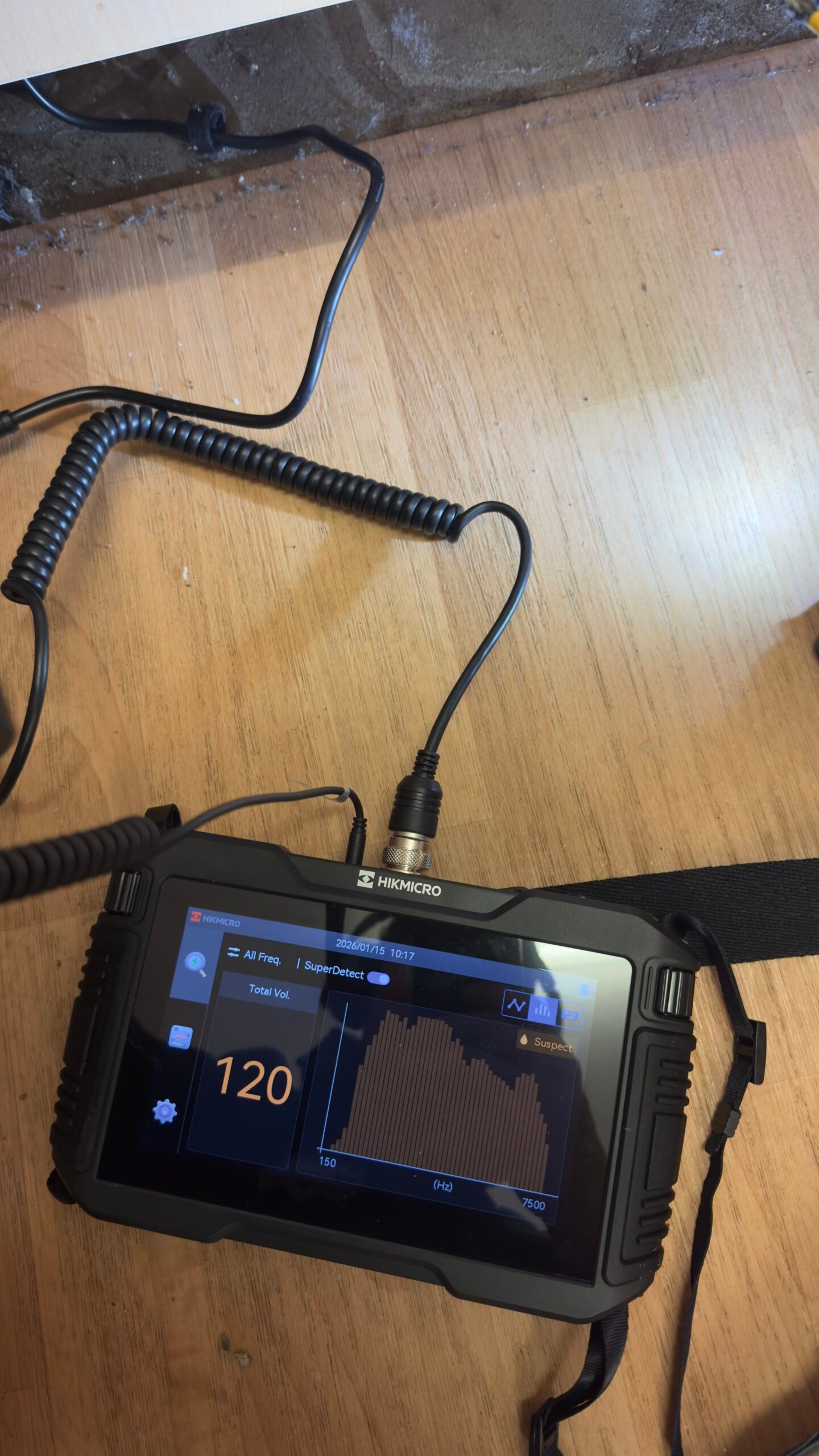
Water escaping from a pressurised pipe produces a distinctive high-frequency sound as it exits the break point. Professional acoustic listening equipment amplifies and filters these frequencies — allowing our engineers to hear a leak that is completely invisible.
Most effective on pressurised cold water supply pipes. Often used to cross-reference and confirm findings from other methods.
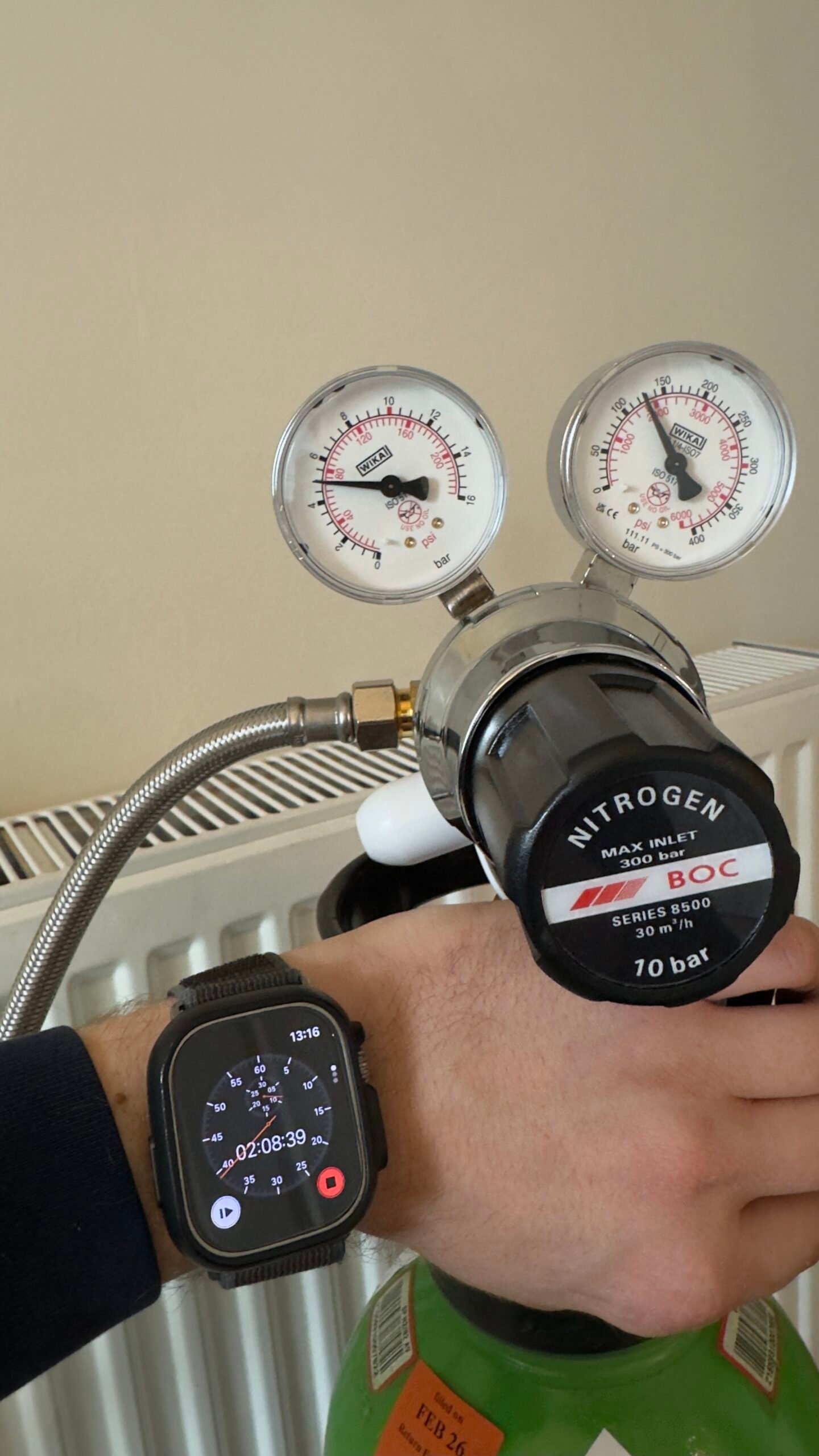
A safe, inert hydrogen/nitrogen mixture is introduced into the pipe system under controlled pressure. Because hydrogen is the smallest molecule in existence, it escapes through even the most microscopic crack and rises to the surface.
A sensitive electronic detector then traces the gas to its highest concentration — pinpointing the exact leak location even through thick concrete screed, tiled floors or solid walls. This is our most accurate method and is used when all others have been exhausted.
The difference between finding a leak properly and guessing at it can mean thousands of pounds in unnecessary damage — and a rejected insurance claim.
| What it means for your home | Traditional "Find & Fix" Approach | Leak and Heat Heroes |
|---|---|---|
| How the leak is located | ✗ Visual inspection & educated guessing | ✓ 5 professional methods — systematic |
| Damage before repair starts | ✗ Often significant — tiles, screed, plaster | ✓ Targeted only — minimum access needed |
| Accuracy of location | Variable — sometimes multiple attempts | ✓ Precise — confirmed before we open anything |
| Written insurance report included | ✗ Rarely included | ✓ Every survey — fully photographed |
| Moisture mapping included | ✗ Not typically carried out | ✓ Full damage extent documented |
| Accepted by major UK insurers | Often insufficient evidence | ✓ All major insurers — no second survey |
| Repair price agreed upfront | ✗ Unknown until work is underway | ✓ Confirmed before we start — always |
Our report is structured to meet the evidence requirements of UK home insurance providers. It includes everything loss adjusters need to process a claim without requiring a second survey or revisit.
Equipment readings, moisture measurements and thermal images provide objective data — not opinion. This carries significantly more weight with insurers than a written statement alone.
You receive the full written report on the day of the survey, ready to submit immediately. It is included in the survey price — there is no additional fee.
If your insurer appoints a loss adjuster, our engineers are happy to discuss findings directly — saving you the stress of acting as an intermediary during an already difficult time.
Verified reviews from real customers across Stratford-upon-Avon and Warwickshire — on Google and Checkatrade.
Every detection method we use is quoted before we start and only charged if we locate the leak. If we can't find it — you don't pay. It's that simple.
Call us first. We'll give you an honest guide price range before we attend — no obligation.
After visual inspection we tell you exactly which method is needed and what it costs. You decide before we proceed.
We locate the leak on 95% of first visits. Same-day repair available once the source is confirmed.
Stratford-upon-Avon's housing stock is exceptionally varied — from Tudor timber-framed properties in the historic core to Victorian terraces, Edwardian semis and modern new builds on the outskirts. Properties in the historic town centre and around Henley Street, Church Street and Old Town can have highly complex plumbing histories, with pipework from different eras often running through the same walls and floors. Leaks in these buildings frequently go undetected for extended periods, as dense old masonry and timber-framed construction absorbs moisture before it becomes visible.
The Victorian and Edwardian streets extending outwards from the town centre — Evesham Place, Alcester Road and the streets around Avenue Road — contain copper systems that are now typically 50–70 years old. Stratford's water hardness is among the highest in the region — significantly harder than Coventry — which accelerates internal corrosion and limescale accumulation in these systems. This makes regular inspection and proactive leak detection particularly important.
Modern residential development on the outskirts of Stratford, particularly around Timothy Bridge Road and Bishopton Lane, increasingly features wet underfloor heating. We cover all CV37 postcodes and the surrounding villages including Shottery, Tiddington and Long Marston.
We cover Stratford-upon-Avon and all surrounding CV37 postcodes. Not sure if we reach you? Just call — if you're in Stratford-upon-Avon, the answer is always yes. We also cover Coventry and surrounding Warwickshire.
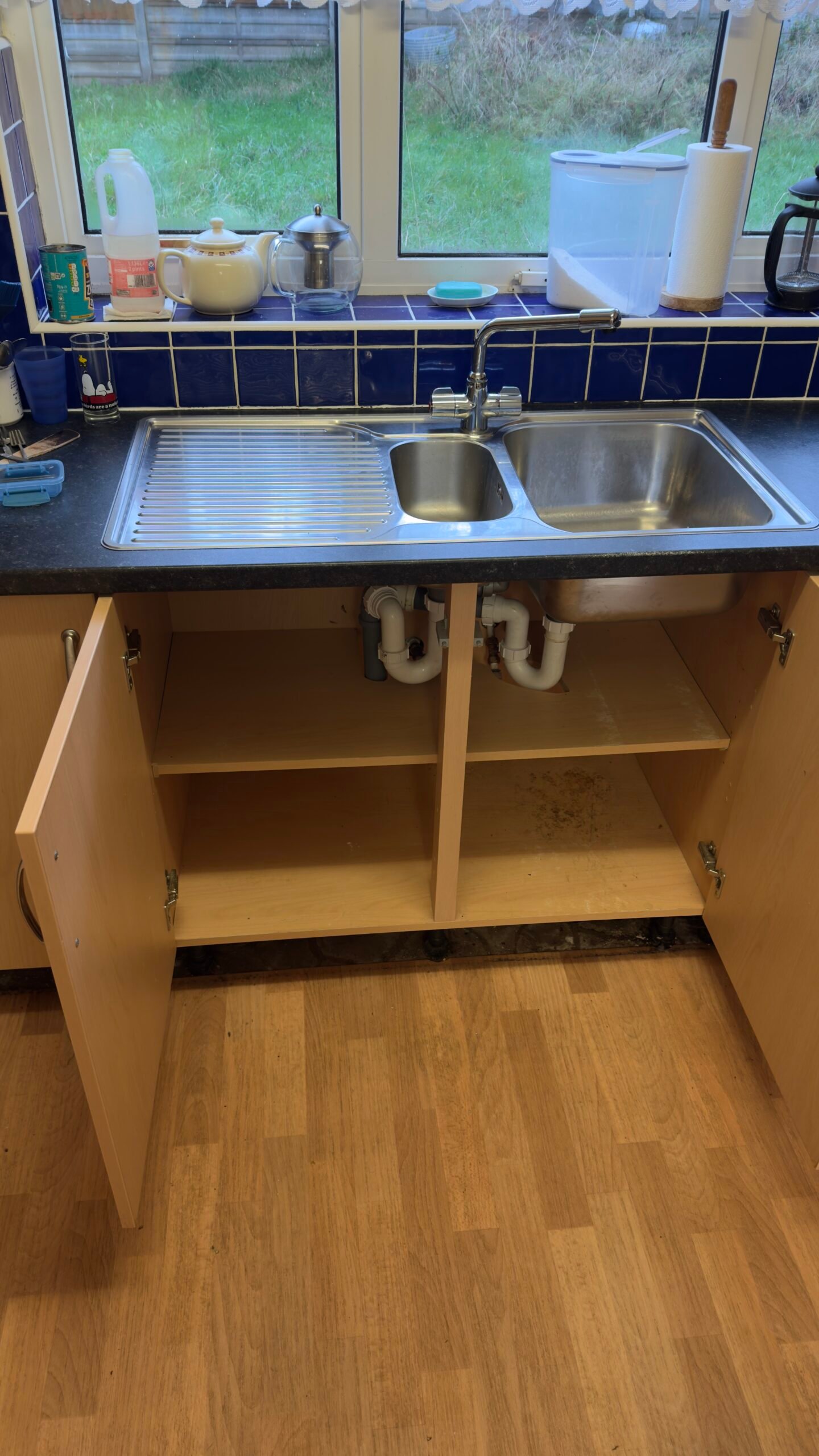
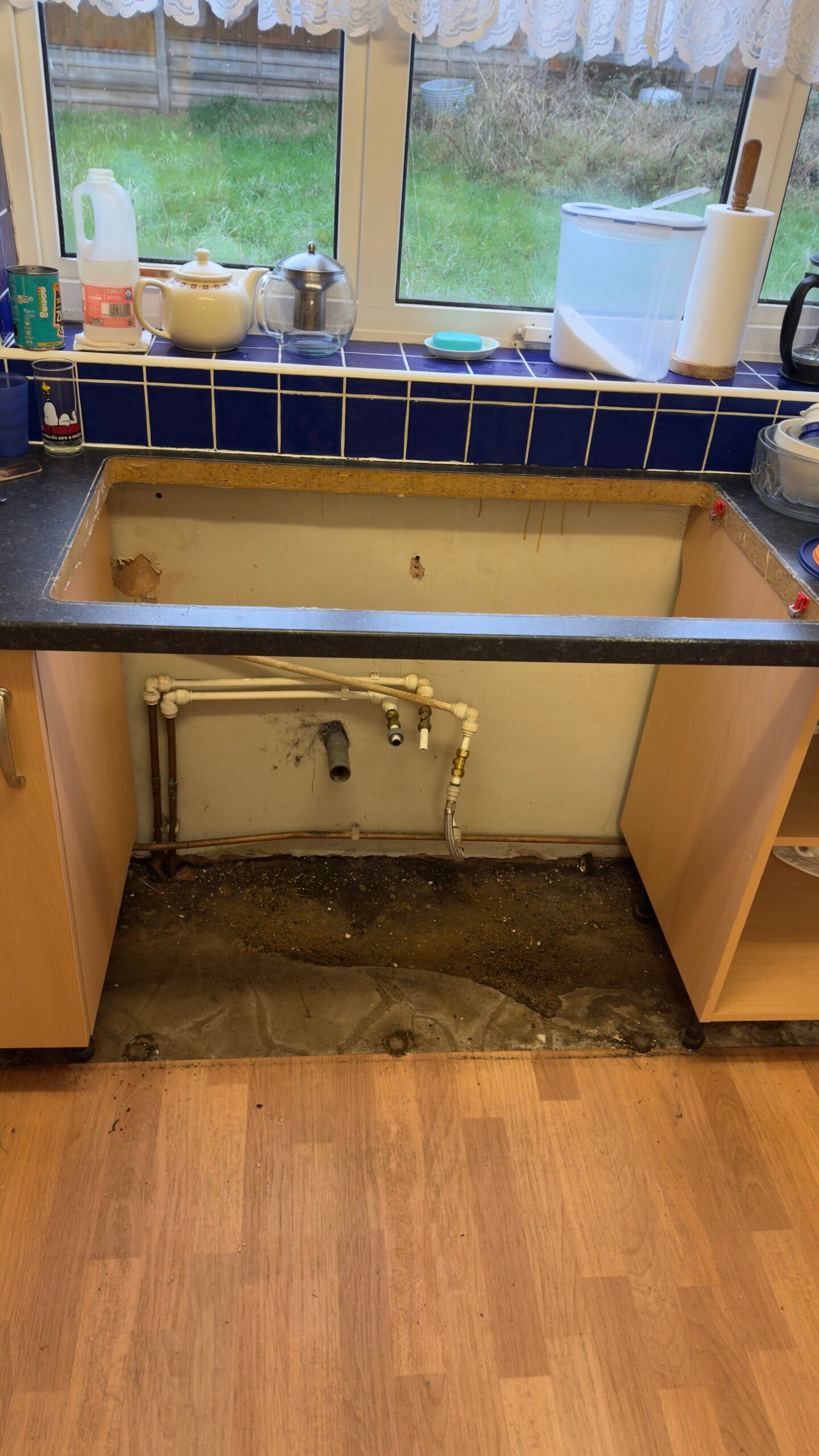
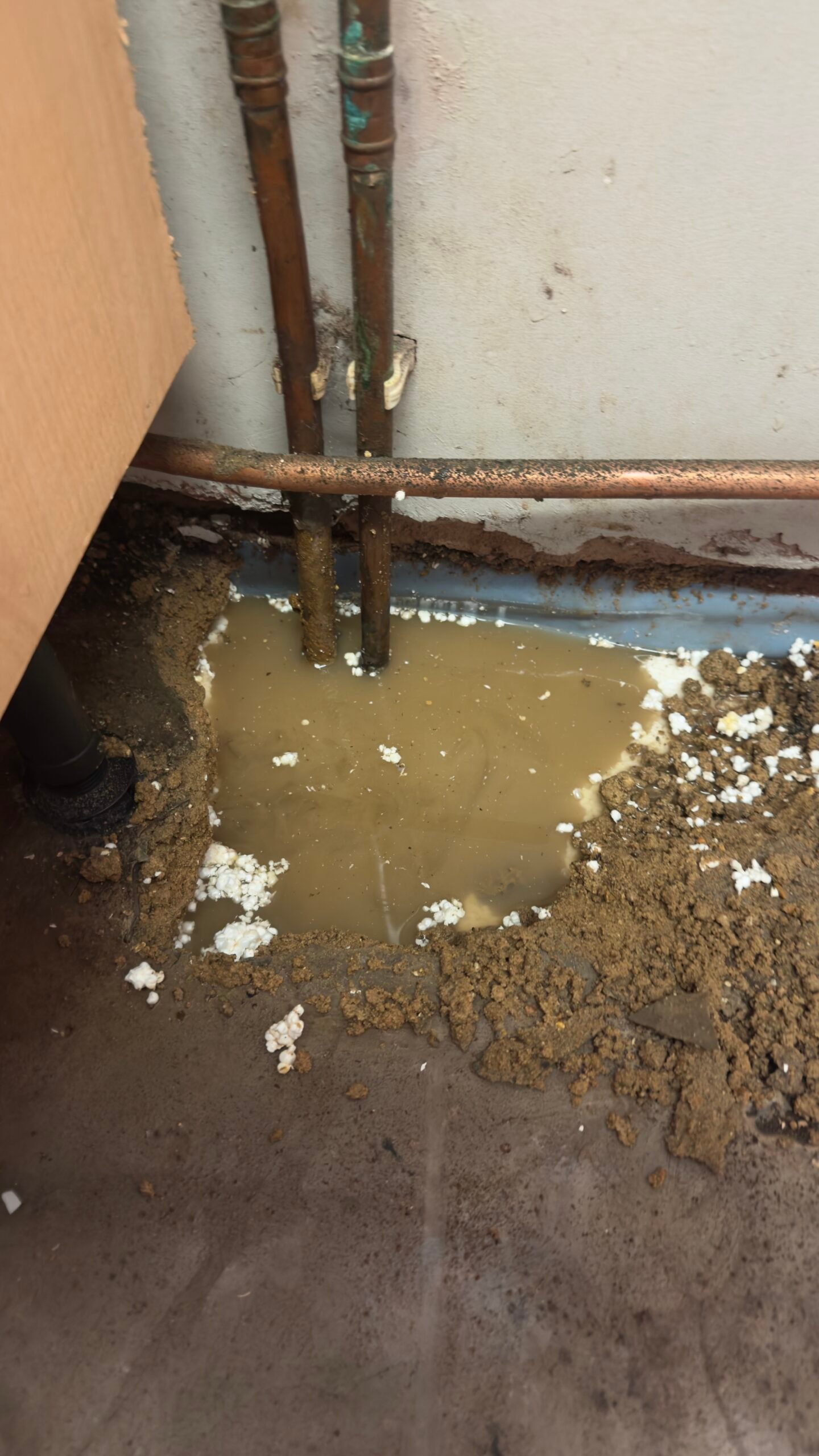
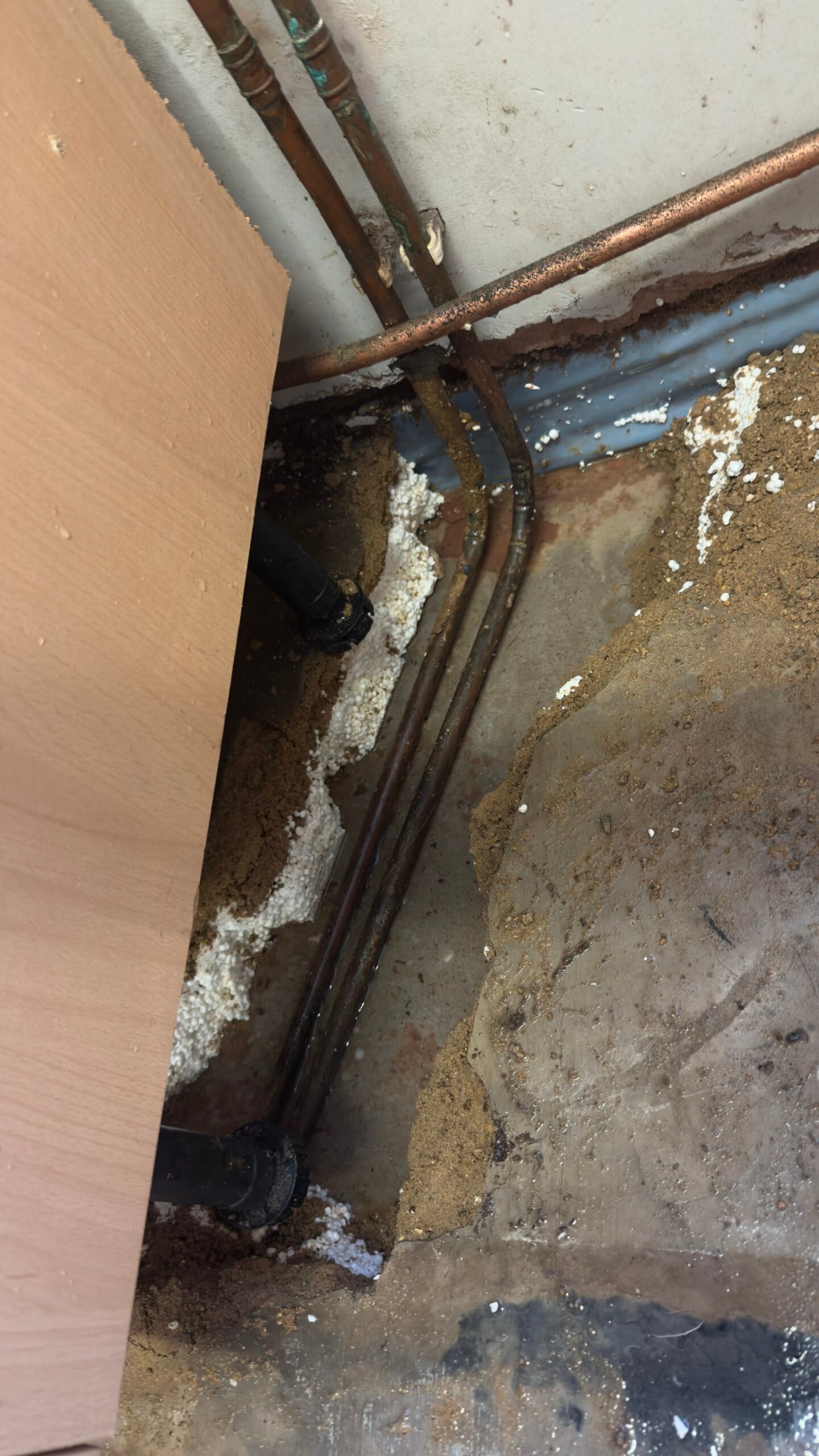
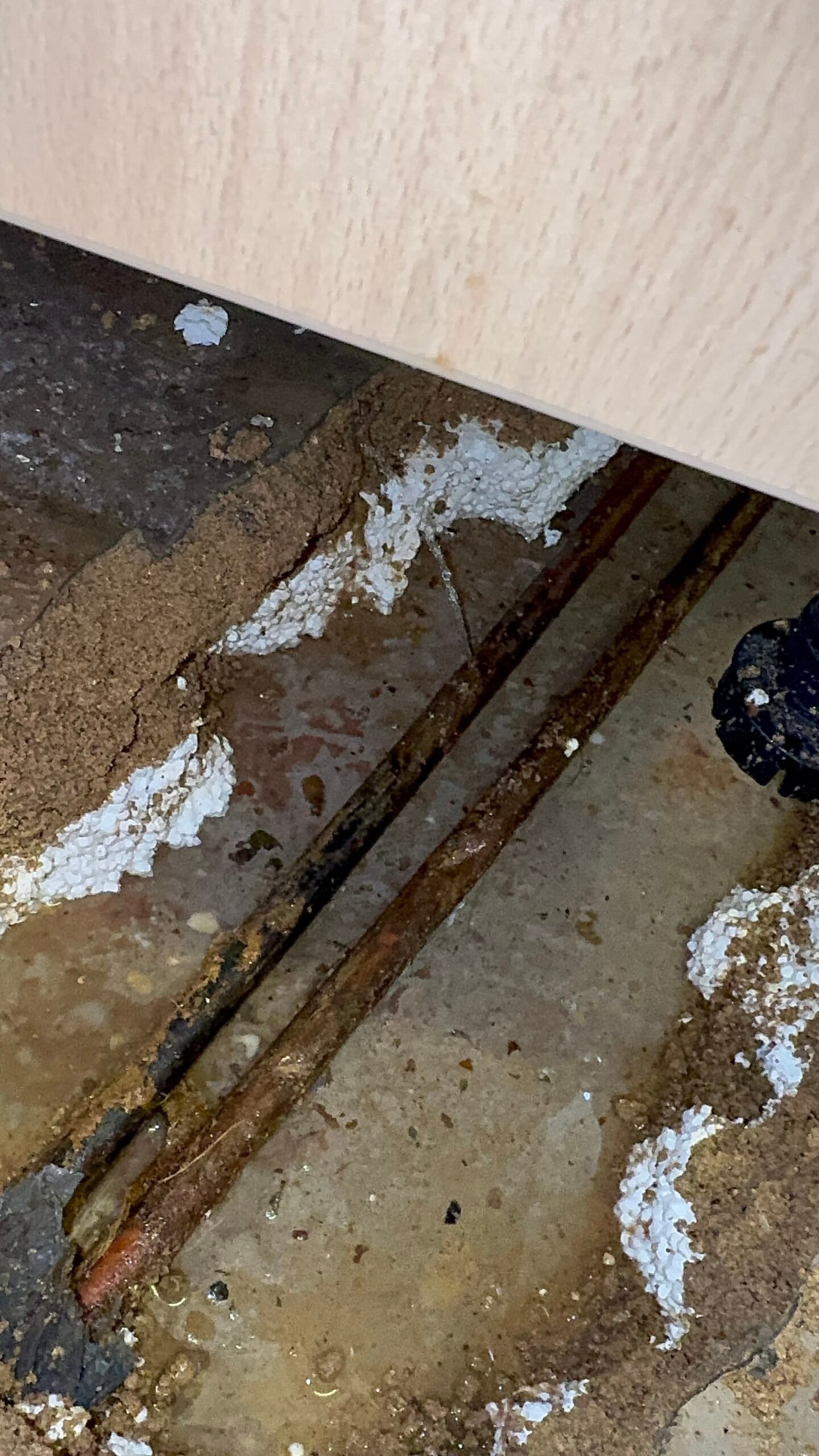
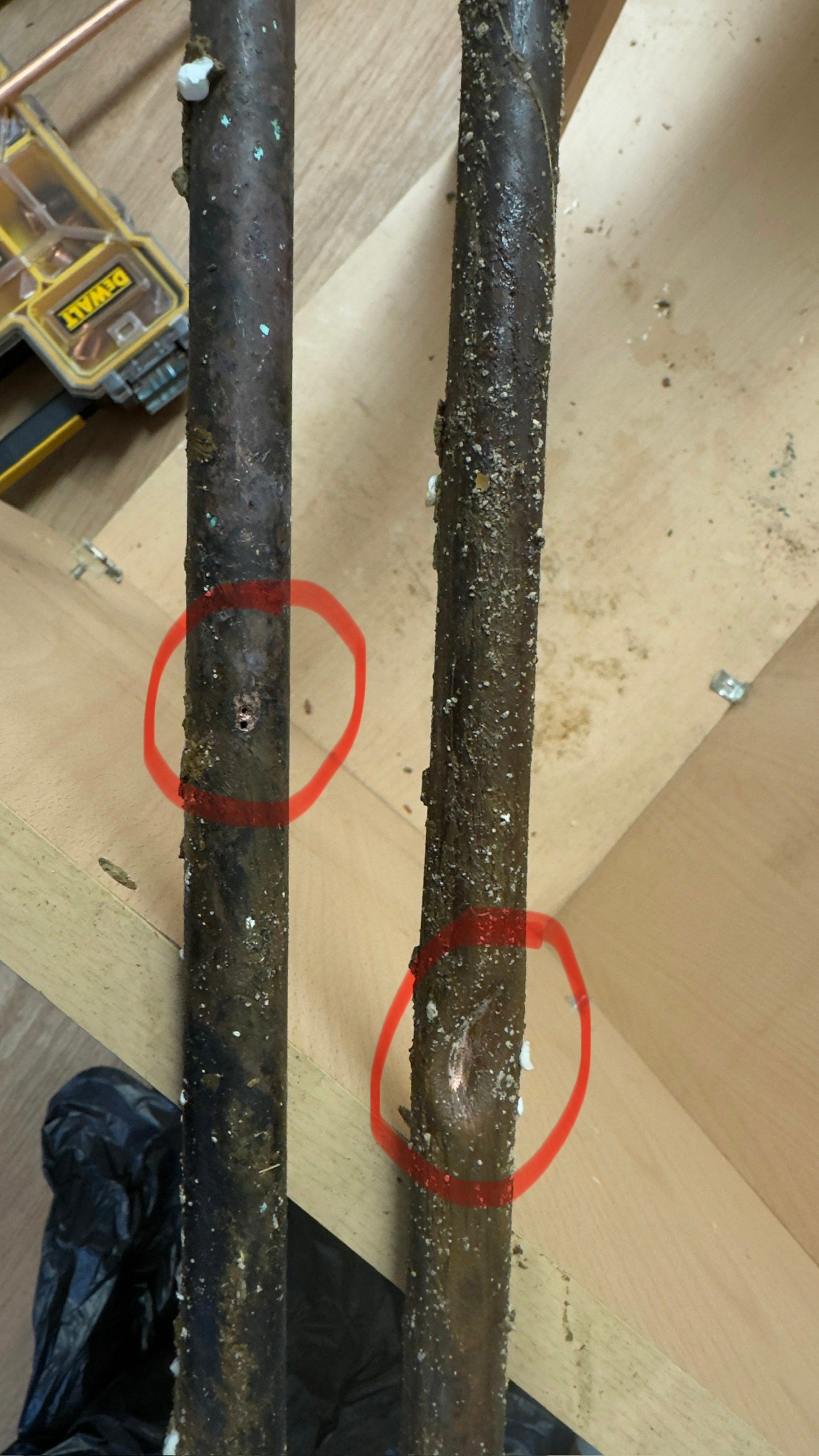
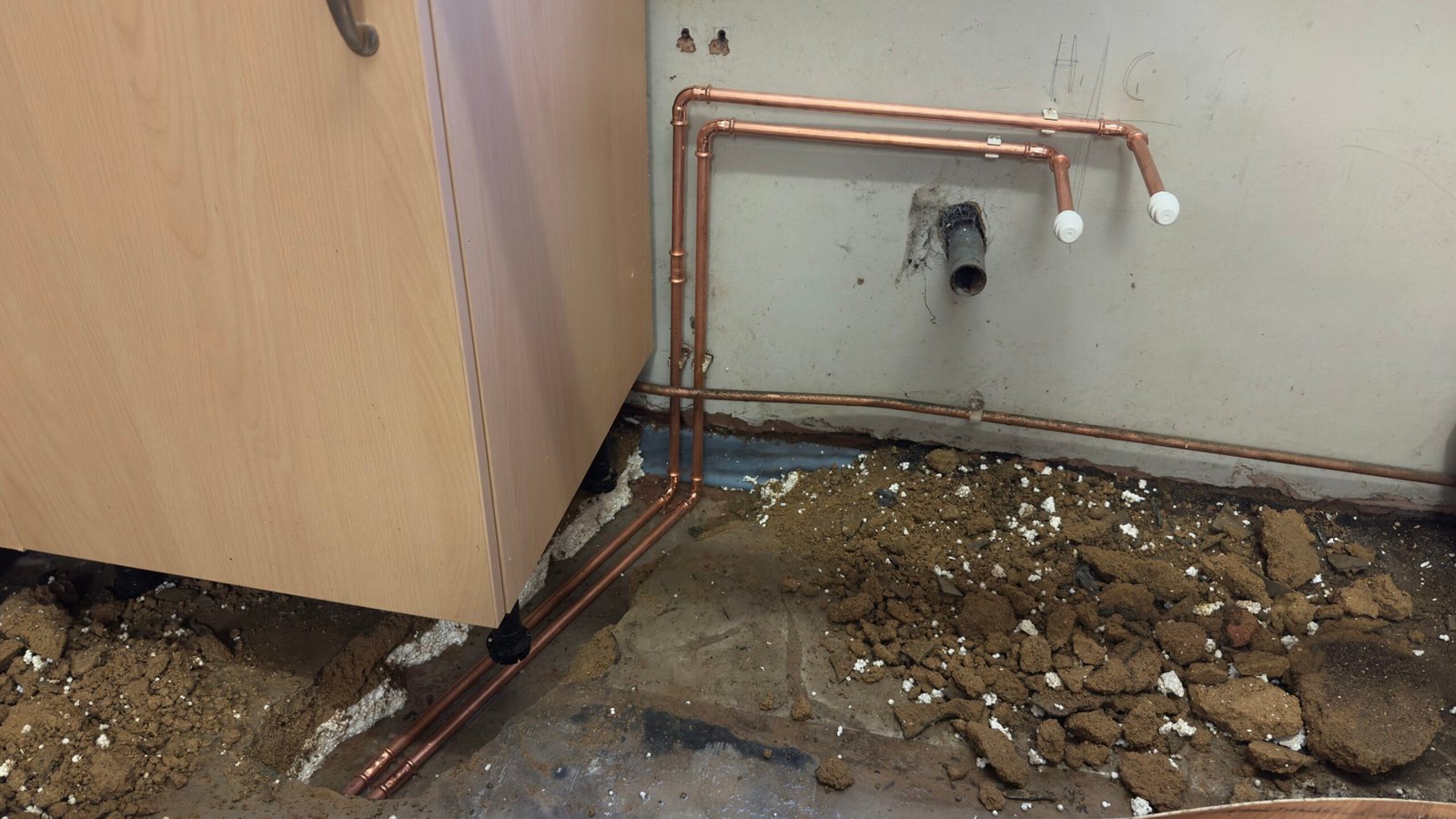
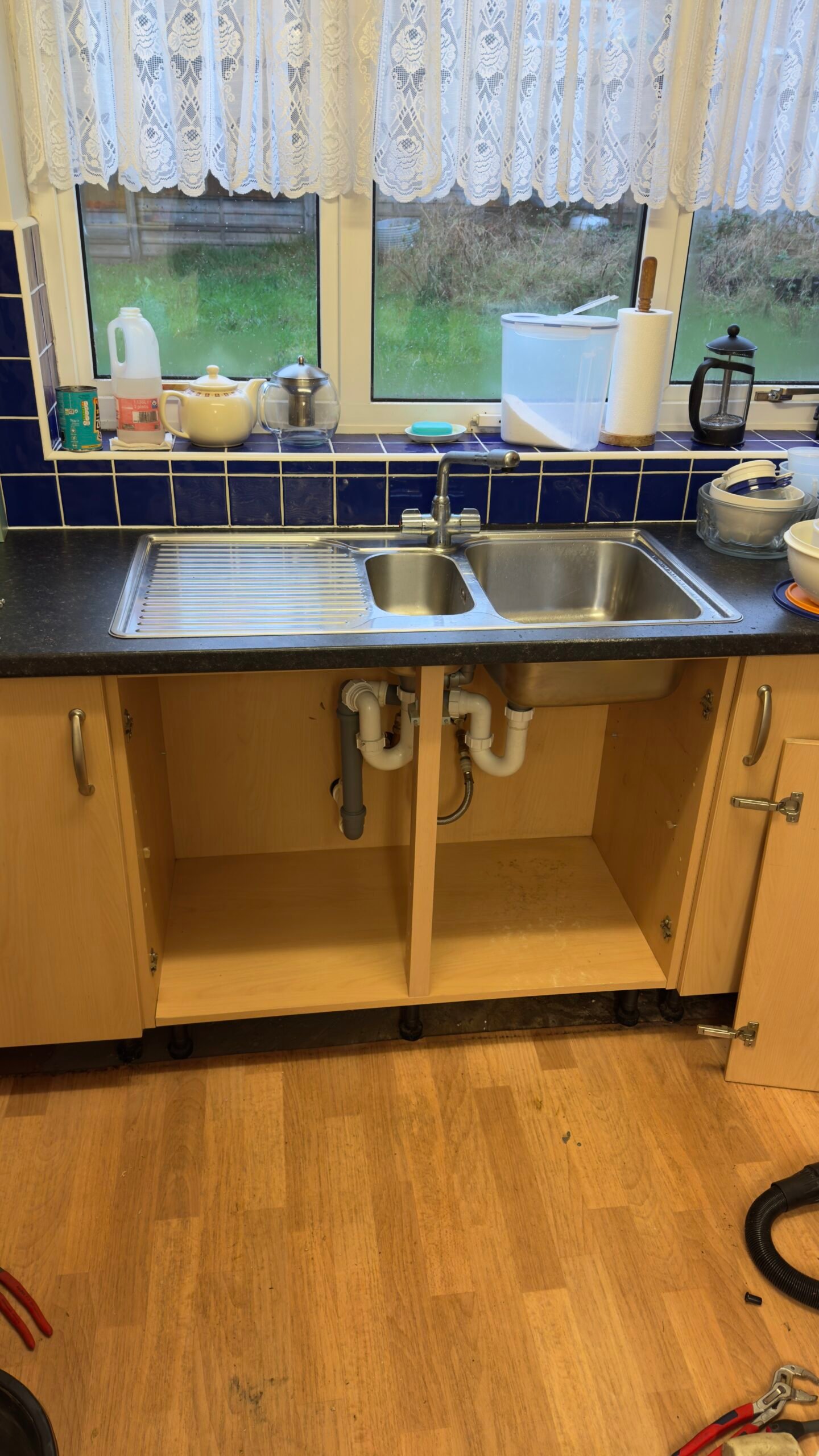
A homeowner noticed their water bills creeping up but couldn't see any obvious problem. Our engineers attended with acoustic detection equipment, identified the probable leak site within minutes, and traced it to severely corroded copper pipes buried beneath the kitchen floor — leaking into the ground for months, entirely invisible from above.
The pipework was excavated to the exact location identified by the equipment, replaced with new copper, and the kitchen fully restored. No unnecessary damage. No guesswork. One visit. Insurance report delivered the same day.
Call for urgent situations or send us a message — we cover Stratford-upon-Avon and surrounding CV37 postcodes. Free guide price by phone before you commit to anything.